23 Things People Over 60 Are Quietly Buying, Canceling and Finally Figuring Out
Some cost under $30. Some are free. A few could be worth hundreds or even thousands of dollars a year.
Nobody hands you a manual when you hit your 60s. You find things out from a neighbor, a grandkid, or a cousin at Thanksgiving who says "wait, you're still paying for that?"
So we collected the ones worth forwarding: small gadgets that fix daily annoyances, free programs most people never hear about, and a few bills that are worth a second look. Skim it, and send it to whoever does the bills in your house.
1.Their library card now streams movies, audiobooks and magazines
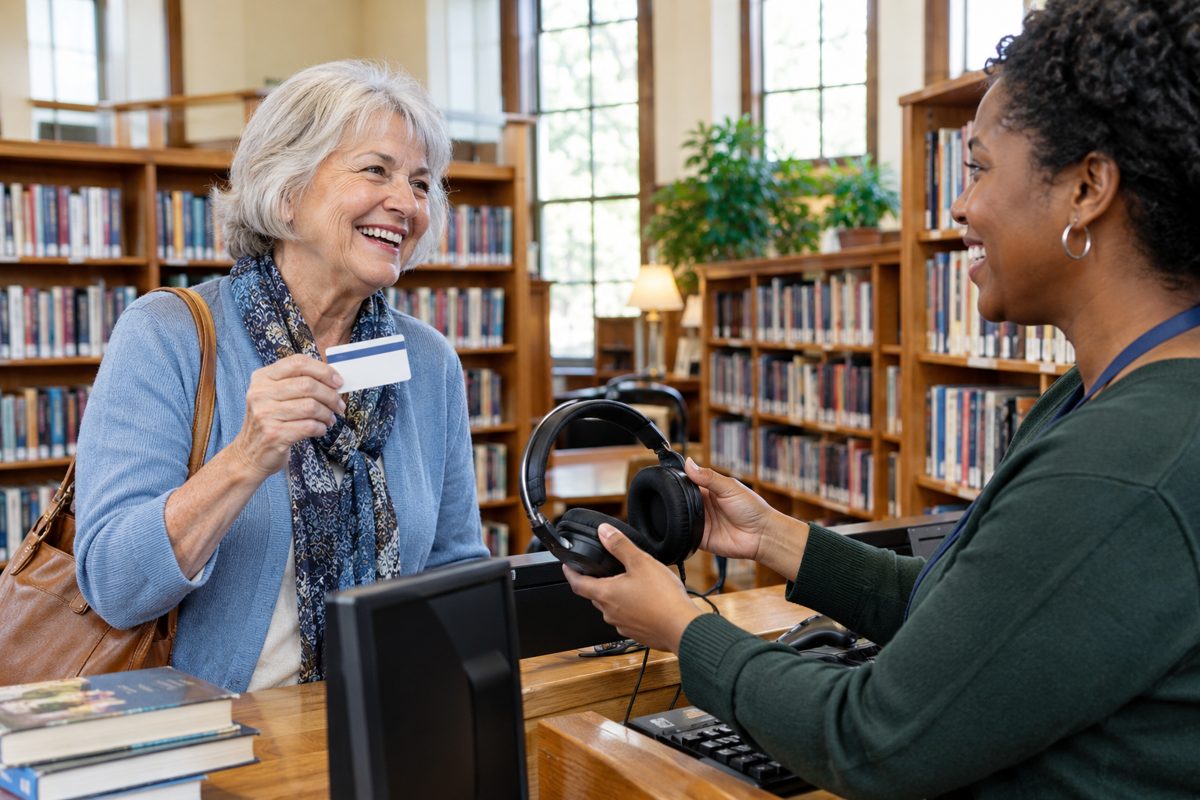
That card in the kitchen drawer may be worth more than a streaming subscription. Many public libraries now give members free access to apps like Libby (e-books and audiobooks), Kanopy (films and classic TV) and Hoopla.
No late fees on digital loans. They simply expire. Availability depends on your library, so check yours first.
See if your library is on Libby »2.They stopped answering calls from numbers they don't know, and set the phone to do it for them

Scam and robocalls go after older adults hardest. Phones now have a built-in fix most people never switch on.
- iPhone: Settings > Phone > Silence Unknown Callers. Calls from numbers not in your contacts go straight to voicemail.
- Android: open the Phone app > Settings > Blocked numbers or Spam and Call Screen (names vary by brand).
Real callers leave a message. Scammers almost never do.
3.They searched their name on the official unclaimed money site

States hold billions in forgotten money: old utility deposits, final paychecks, insurance refunds, dormant bank accounts. It sits there until someone claims it.
MissingMoney.com is the free search run with state treasurers and unclaimed property programs. Search your name, your parents' names and any old addresses. Claiming through your state is free, so skip anyone who asks for a fee to "find" it for you.
Search MissingMoney.com (free) »4.They keep a $20 "handle" in the car that makes getting out a lot easier
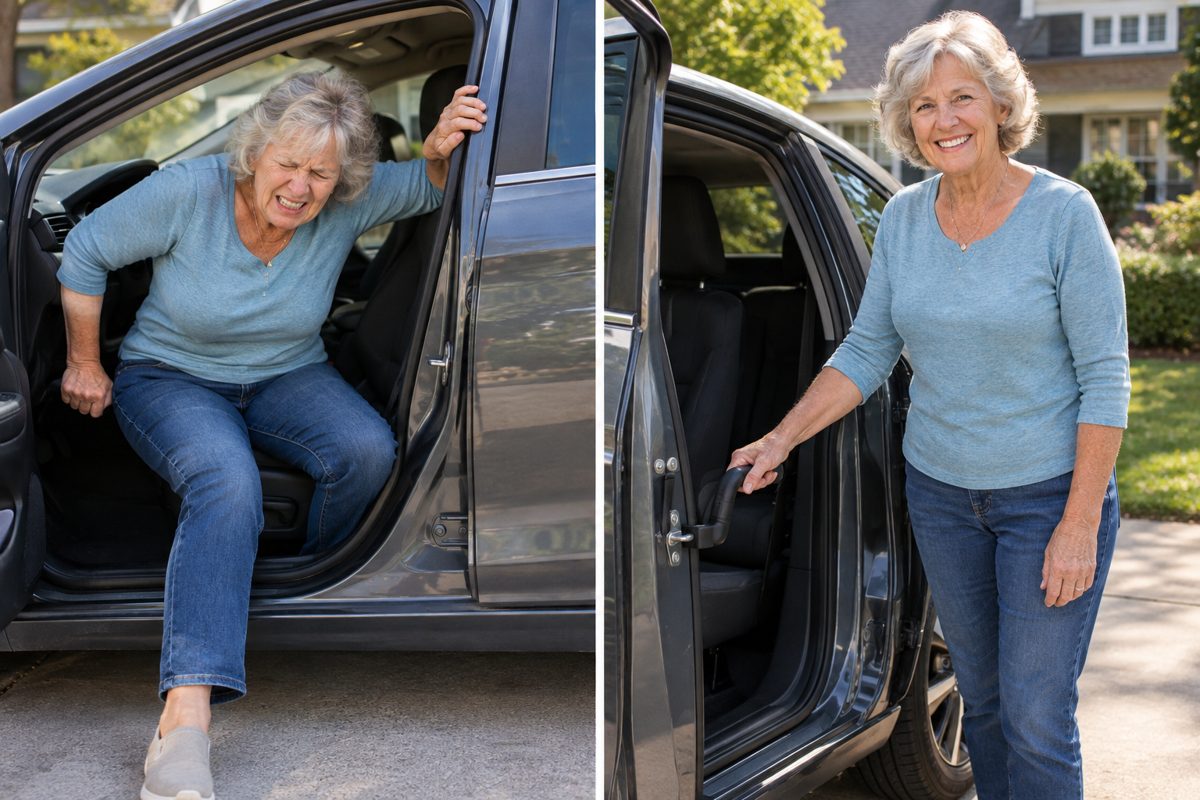
It's a small, sturdy grip that slots into the U-shaped latch on your car's door frame, the part the door clicks onto. It gives you something solid to push on when you stand up, instead of the door or the seat.
It pops out in a second and lives in the door pocket. Many models also have a seatbelt cutter and a window breaker built in.
See car standing handles »5.They took a short driving course and asked their insurer for the discount

In 35 states plus Washington, D.C., insurers are required to offer a discount to older drivers who finish an approved mature-driver course. The discount is usually 5% to 15% and typically lasts about three years. Most courses are online and take an afternoon.
The catch: it's rarely applied automatically. You finish the course, send the certificate, and ask.
While you're at it, compare rates. Drivers who have stayed with the same company for years often find a noticeably different price for the same coverage.
Compare car insurance rates »6.They bought a ramp for the dog, and saved their own back

Older dogs get stiff. Older owners get tired of lifting 60 pounds onto the bed, the couch and the back seat. A foam or folding ramp solves both problems.
Look for a gentle slope, a grippy surface and a height that matches your bed or car. Most dogs learn it in a day or two with a few treats.
See dog ramps »7.They took a hard look at the one vacation bill most families never question
When people retire, they go through the recurring bills: phone, cable, insurance, memberships. One often gets skipped because it doesn't feel like a bill. It feels like a vacation.
Timeshare maintenance fees averaged $1,480 per week of ownership in 2024, up from $1,260 the year before, according to the industry's own trade group (ARDA). The bill arrives whether or not the week gets used, and many contracts have no end date.
Plenty of owners still love their timeshare. But if yours no longer fits how you travel, you may have more options than you were told on the day you bought it. What's possible depends on the resort, the contract, whether it's paid off, and how it was sold to you.
Where to start
- Call the resort first. Ask whether it has a deed-back or exit program. The FTC suggests this as the first step, and some developers do have one.
- Be careful who you pay. Avoid anyone who wants thousands up front, and get every promise in writing.
- Get a free second opinion. If the resort says no, a free check can show which options might apply to your contract.
Free, a few quick questions, no obligation. Opens an eligibility check on TimeshareExitReport.com, an independent consumer site that works with exit professionals. We may be compensated. Not affiliated with any resort or government agency. Options and outcomes depend on your contract, and none are guaranteed.
8.They bought the $80 park pass that lasts the rest of their life

U.S. citizens and permanent residents 62 and older can buy a lifetime Senior Pass for $80. It covers entrance fees at national parks and thousands of other federal recreation sites, and can cut some camping and amenity fees in half.
For comparison, the regular annual pass for everyone else went up to $80 in January 2026. That same money buys a 62-year-old access for life. There's also a $20 annual version.
How to get the Senior Pass (NPS.gov) »9.They put up a $30 antenna and watch local channels for free
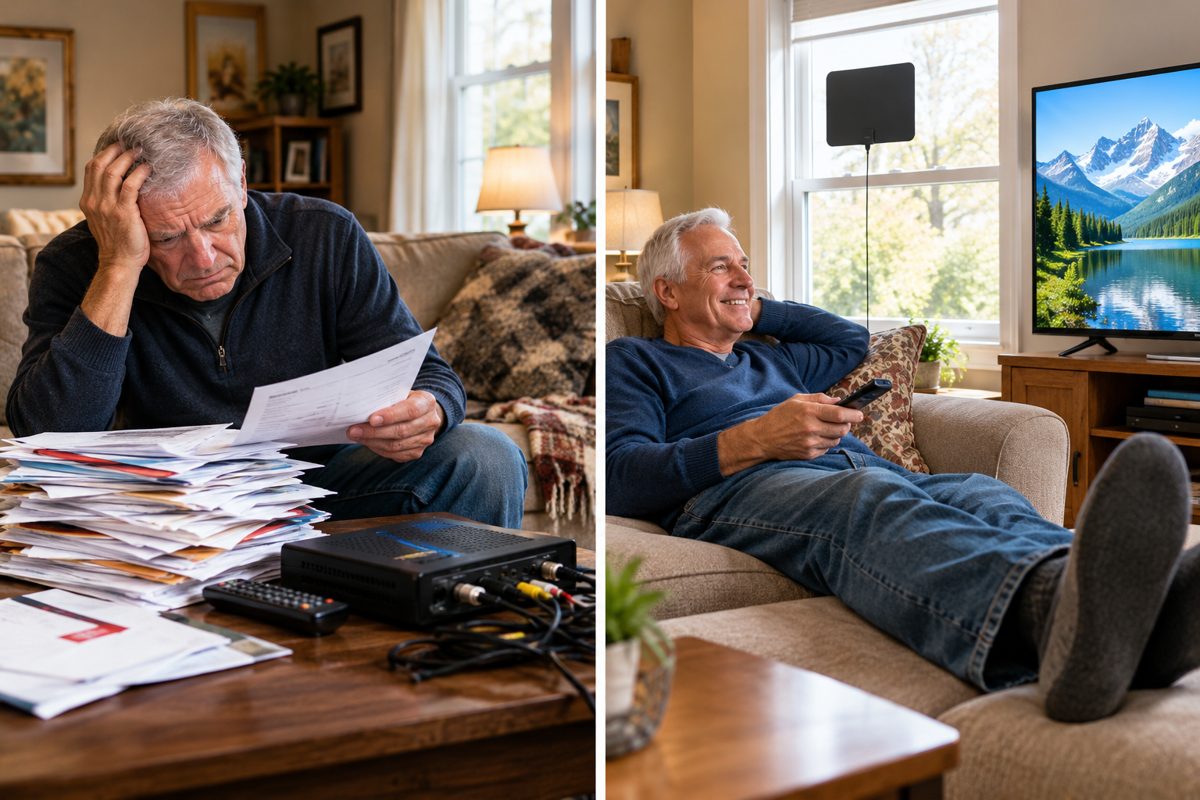
Local stations (ABC, CBS, NBC, FOX, PBS and more, depending on where you live) broadcast free over the air in high definition. A flat indoor antenna picks them up with no monthly bill.
Many people pair an antenna with one streaming service and drop the cable package. Even if you keep cable, an antenna keeps the news on when the cable goes out.
See indoor TV antennas »10.They lined the hallway with motion-sensor night lights
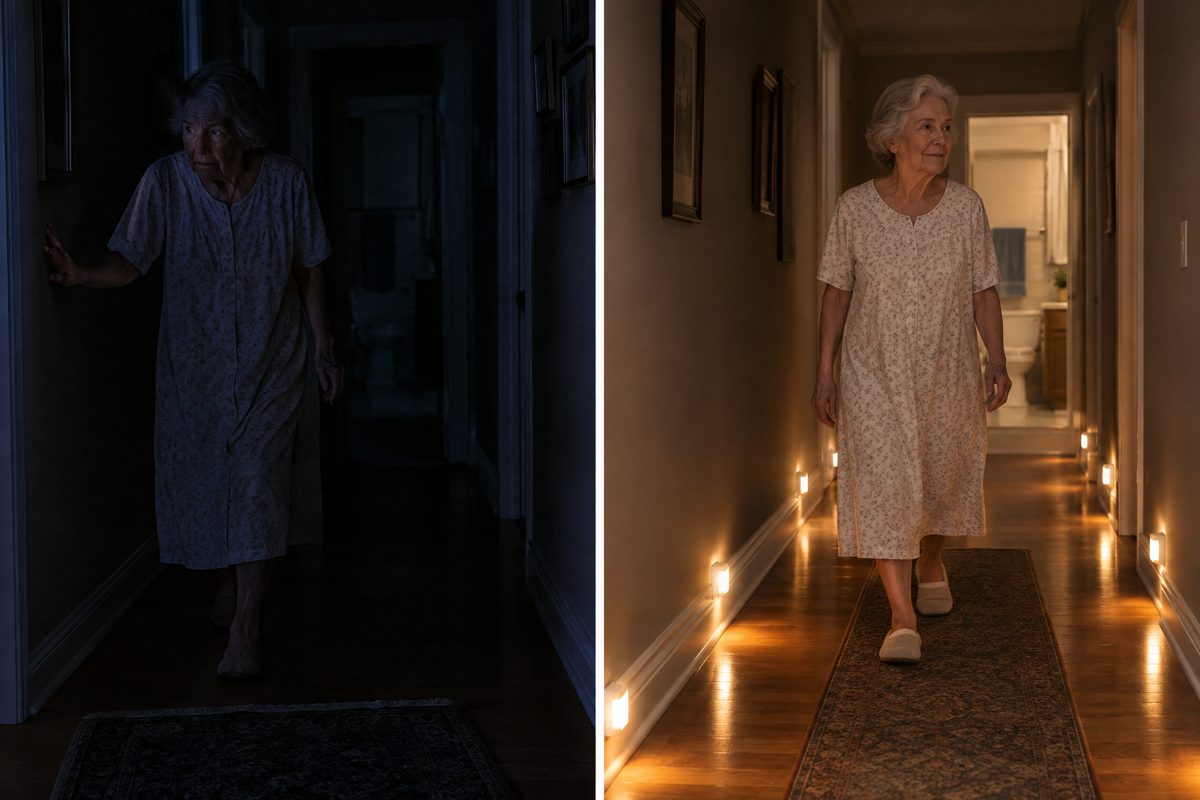
Falls are the leading cause of injury for adults over 65, and a lot of them happen on the way to the bathroom in the dark.
Plug-in or stick-on motion lights turn on when you step out of bed and off when you've passed. No fumbling for switches, no glare that wakes up your spouse. A multipack usually costs less than dinner out.
See motion night lights »11.They froze their credit, for free

A credit freeze stops anyone, including a scammer with your Social Security number, from opening new credit in your name. By federal law it's free at all three bureaus: Equifax, Experian and TransUnion.
It doesn't affect your credit score or the cards you already have, and you can lift it for a day when you actually need a loan.
How to freeze your credit (FTC) »12.They drop a tracker in the suitcase before every trip
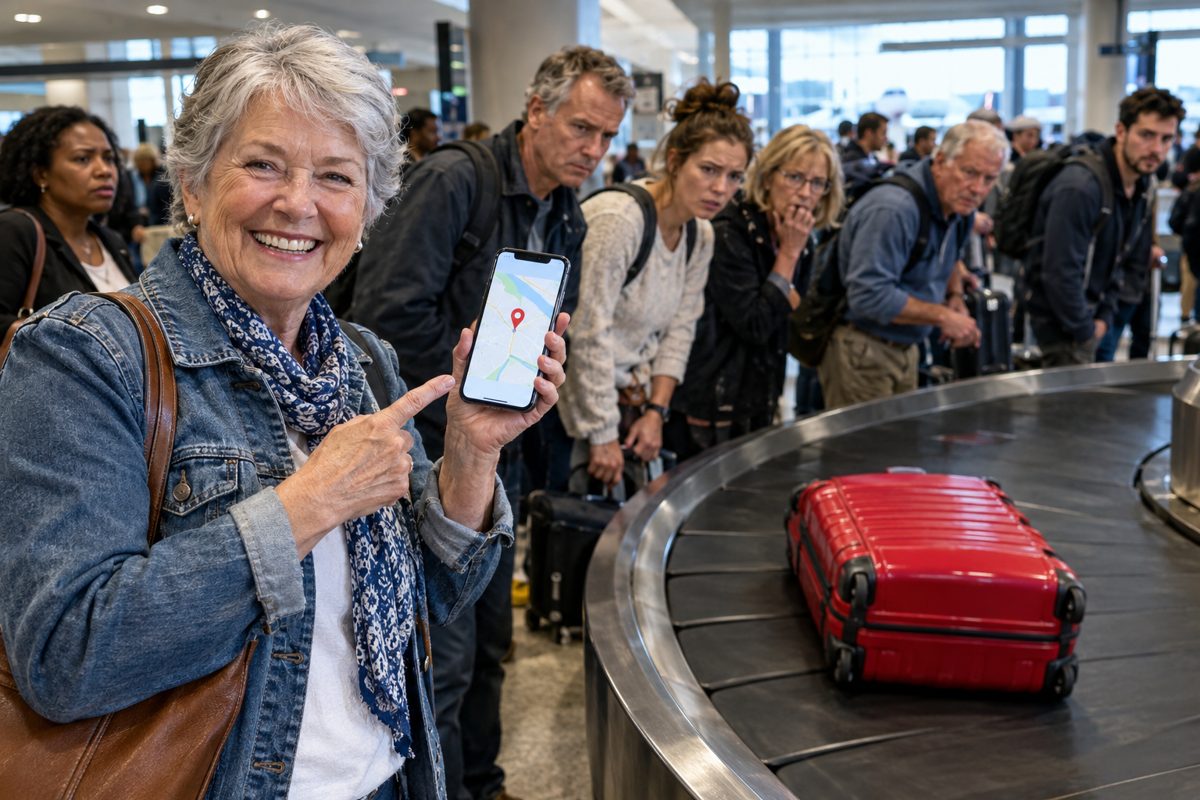
A coin-sized Bluetooth tracker (AirTag for iPhone, or a Tile or Samsung tag for Android) tucked in checked luggage shows exactly where your bag is, even when the airline isn't sure.
The same tag works on keys, a purse, or the TV remote that keeps disappearing.
See luggage trackers »13.They quit climbing the ladder to clean the gutters

Twice a year, a lot of people over 60 climb a ladder they probably shouldn't. Gutter guards keep leaves out so there's far less cleaning to do, and clogged gutters are a common cause of roof edge and foundation water damage.
Prices vary a lot by house and material, so get a quote before deciding. Many installers offer free estimates.
Get a free gutter guard estimate »14.Before donating anything, they saved the one thing adult kids ask about most

When people downsize, the heavy furniture and the formal china are easy calls. What families say they miss later are the small, handwritten things: recipe cards, letters, photo albums, notes in the margins of a Bible or a cookbook.
Scan them before they go anywhere. A free phone scanning app works for recipe cards. For boxes of prints and slides, a photo scanner or a mail-in scanning service can save everything to one small drive you can copy for each child.
See photo scanners »15.They put their medical info on their phone's lock screen
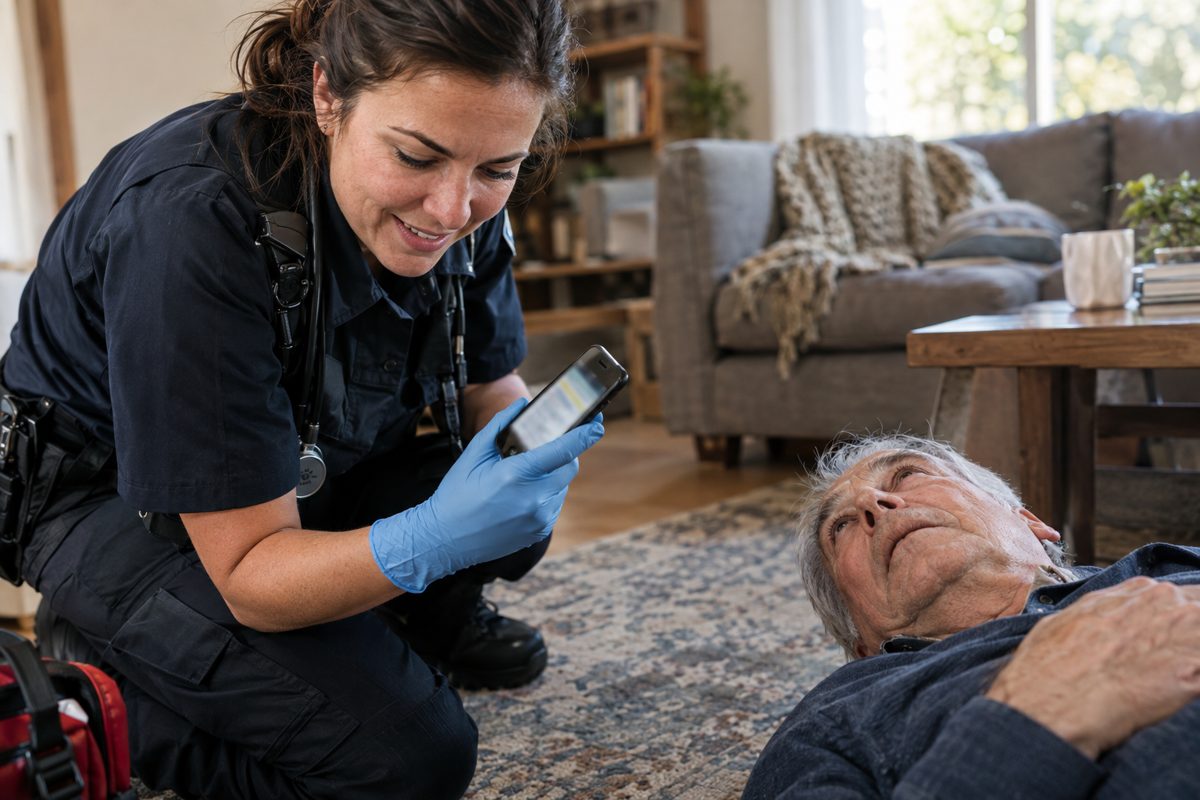
If you're ever unable to speak, first responders can read your allergies, medications and emergency contacts straight from a locked phone.
- iPhone: Health app > your picture > Medical ID > turn on "Show When Locked".
- Android: Settings > Safety and emergency (or search "emergency information").
Five minutes. Do your spouse's phone too.
16.They warm the bed instead of the whole house
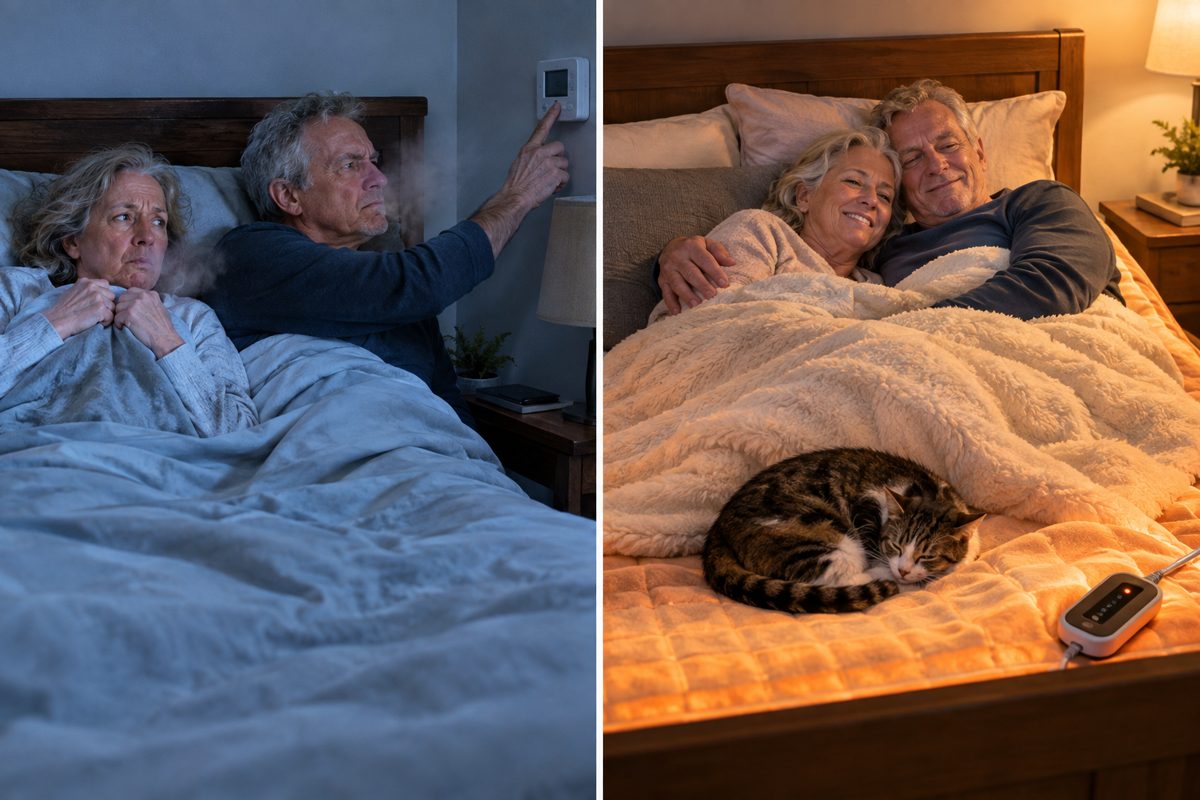
A heated mattress pad or throw uses a small fraction of the electricity of a typical plug-in space heater, and far less than raising the thermostat for the whole house all night.
Plenty of couples now turn the heat down a few degrees at bedtime and pre-warm the bed instead. Dual controls end the his-side, her-side argument.
See heated mattress pads »17.They let a gadget open the jars

Stubborn lids hurt when your hands are stiff. Hands-free electric jar and can openers sit on the jar and do the twisting themselves, with the press of one button.
Non-electric options work too: a rubber grip pad or an under-cabinet wedge opener costs a few dollars.
See jar openers »18.They let Google Flights watch the price for them

Most people search a flight once, wince, and book. Google Flights has a free price-tracking switch: turn it on for a route and dates, and it emails you when the fare changes. It also labels current prices as low, typical or high for that trip.
Flexible on dates? The calendar and date grid views show the cheapest days at a glance.
Open Google Flights »19.They swapped the tub for a walk-in shower

Stepping over a high tub wall on wet tile gets riskier every year. A low-threshold shower with a grab bar and a seat lets people keep bathing on their own, safely.
Conversions are often faster than people expect. Prices depend on the space and materials, so compare a few quotes.
Compare walk-in shower quotes »20.They bought hearing aids without a prescription

Since the FDA's 2022 rule, adults with perceived mild to moderate hearing loss can buy hearing aids over the counter, with no exam or prescription. Many cost a fraction of what traditional hearing aids used to.
If phone calls are the hard part, people with hearing loss may qualify for a free captioned telephone through a federally funded program. A hearing professional certifies the need.
If your loss is more than mild to moderate, or it came on suddenly, see a doctor or audiologist first.
See OTC hearing aids »21.They switched to a 55+ phone plan

Some carriers sell cheaper plans only to customers 55 and older, and they're easy to miss. T-Mobile offers Unlimited 55+ plans nationwide, with two-line options that can work out to about $30 a line. Verizon's 55+ plan is limited to Florida residents.
Check what you pay per line now, including taxes and fees, then compare.
See T-Mobile 55+ plans »22.Before a trip abroad, they checked what Medicare won't cover

Medicare's coverage outside the U.S. is very limited, and Medicare drug plans don't cover prescriptions bought abroad. Some Medigap policies include foreign travel emergency coverage. Many other plans don't.
Before a cruise or an overseas trip, check your plan, and if the answer is "not much", look at a travel medical policy.
What Medicare covers abroad (Medicare.gov) »23.They checked what the "old stuff" in the cupboard is worth
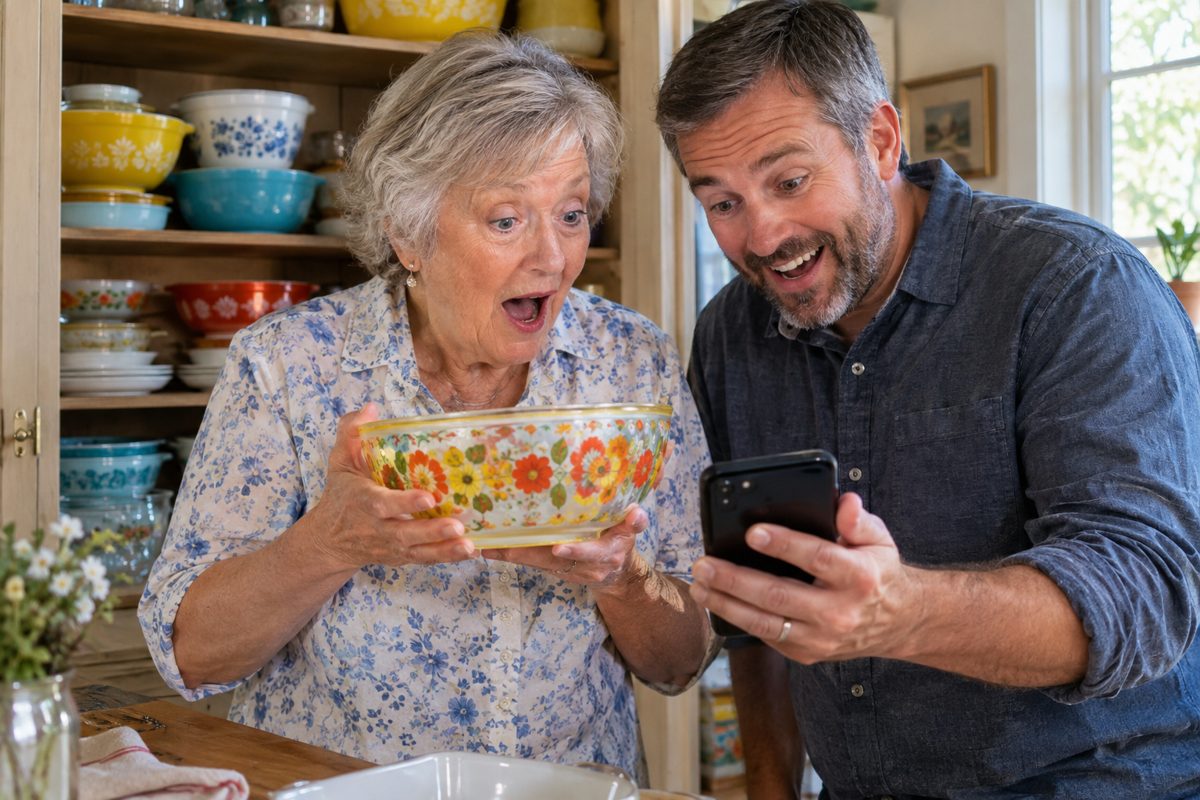
Before the yard sale, look up a few things. Certain vintage kitchenware patterns, old record albums, sports cards and costume jewelry sell for far more than people expect, and some sell for next to nothing.
The trick: search completed or sold listings, not asking prices. That's what things actually go for.
What's the most surprising thing you've found in your own cupboard? Tell the person who sent you this list.
The 5-minute checklist
- Search your name on MissingMoney.com (#3)
- Turn on "Silence Unknown Callers" and your lock-screen Medical ID (#2, #15)
- Ask your car insurer about the mature-driver discount (#5)
- Own a timeshare you don't use much? Check what options may be available (#7)
- Turning 62 or older? Get the lifetime park pass (#8)